

Many businesses try to save money by choosing cheap website solutions. While low-cost websites may seem attractive initially, they often create long-term problems that negatively affect business growth, customer trust, SEO performance, and conversions.
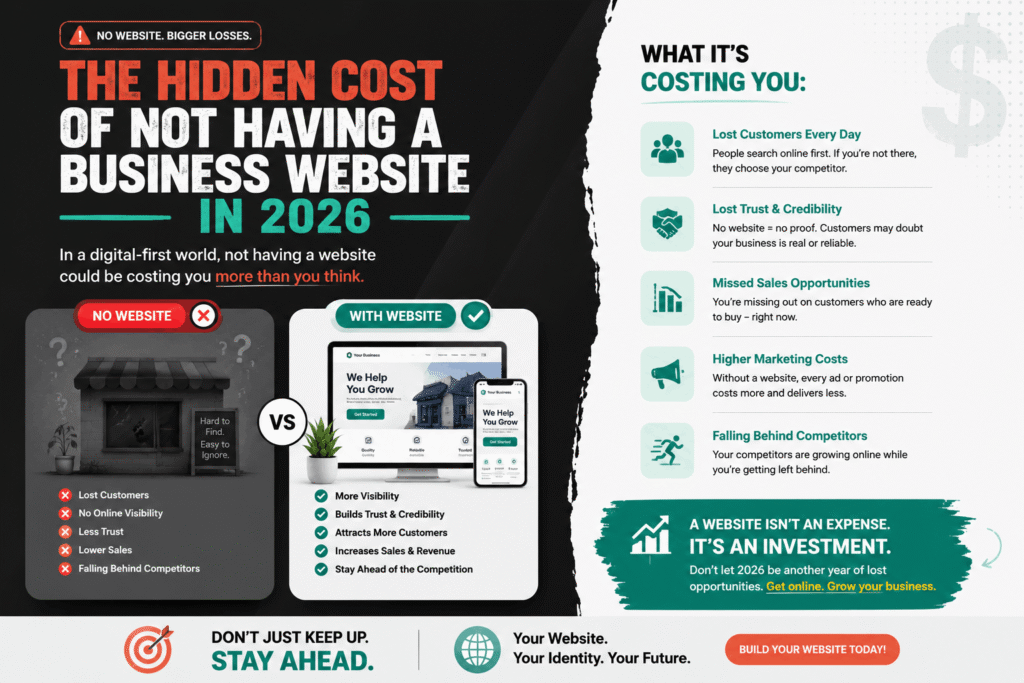
In 2026, your website is one of the most important parts of your online presence. A poorly designed website can make your business appear unprofessional and unreliable.
Cheap websites often lack the quality, performance, strategy, and scalability needed for modern business success.
In this guide, we’ll explain why cheap websites can hurt your business and why investing in professional website development is important.
Why Your Website Matters More Than Ever
- Creates first impressions
- Builds trust and credibility
- Generates leads
- Supports SEO
- Improves conversions
1. Poor First Impressions
Visitors judge your business within seconds of opening your website.
Cheap websites often look outdated, cluttered, or unprofessional.
This can reduce customer trust immediately.
2. Weak Mobile Experience
Many low-cost websites are not properly optimized for mobile devices.
Poor mobile responsiveness creates bad user experiences and higher bounce rates.
Read our guide on responsive website design.
3. Slow Website Speed
Cheap websites often use low-quality hosting, bloated themes, and poor optimization.
Slow websites hurt:
- User experience
- SEO rankings
- Conversions
Read our guide on website speed optimization.
4. Poor SEO Performance
Cheap websites are often not built with SEO best practices.
Common SEO issues include:
- Bad site structure
- Poor coding
- Missing optimization
- Weak internal linking
Read our guide on SEO-friendly website structure.
5. Limited Customization
Cheap websites usually rely on generic templates with limited flexibility.
This makes it difficult to create a unique brand identity.
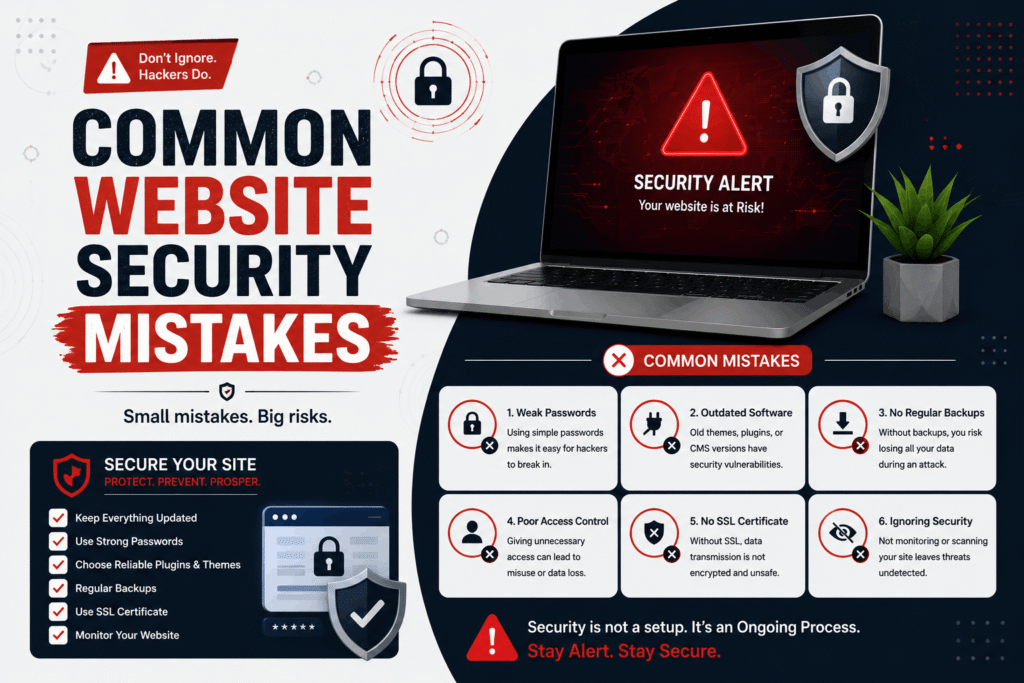
6. Weak Security Protection
Low-budget websites may ignore important security practices.
This increases risks such as:
- Hacking
- Malware
- Data theft
- Website downtime
Read our guide on SSL certificates for websites.
7. Poor User Experience (UX)
Cheap websites often have:
- Confusing navigation
- Cluttered layouts
- Poor readability
- Weak CTAs
Bad UX reduces engagement and conversions.
8. Generic and Outdated Design
Modern users expect professional and visually appealing websites.
Cheap websites often look outdated and fail to reflect modern design standards.
Read our guide on outdated website design mistakes.
9. Limited Scalability
Businesses grow over time, but cheap websites often cannot scale properly.
Adding new features may become difficult or expensive later.
10. Hidden Long-Term Costs
Cheap websites may seem affordable initially but often require:
- Frequent fixes
- Redesigns
- Performance improvements
- SEO repairs
This can increase long-term costs significantly.
11. Poor Conversion Optimization
Cheap websites are rarely optimized for lead generation and conversions.
Missing conversion elements include:
- Strong CTAs
- Trust indicators
- Optimized layouts
- Lead forms
12. Lack of Strategic Planning
Professional websites are built around business goals and customer behavior.
Cheap websites often focus only on appearance rather than strategy.
13. Weak Branding
Your website should reflect your business identity and professionalism.
Generic designs reduce brand recognition and trust.
14. Poor Support and Maintenance
Low-cost website providers often provide limited support and updates.
This can create technical and security problems over time.
15. Cheap Websites Can Hurt Marketing Performance
Digital marketing campaigns perform poorly when websites have:
- Slow speed
- Weak UX
- Poor landing pages
- Low trust signals
16. Negative Impact on Customer Trust
Modern customers expect businesses to have professional online presence.
Poor-quality websites can make businesses appear unreliable.
17. Better Websites Create Better Business Results
Professional websites improve:
- Lead generation
- SEO rankings
- Customer trust
- Conversions
- Business credibility
What Makes a Professional Website Different?
- Modern design
- Responsive layout
- SEO optimization
- Fast loading speed
- Conversion-focused structure
- Strong branding
How to Invest Smartly in Website Development
Businesses should focus on long-term value rather than choosing the cheapest option.
A good website is an investment that supports business growth for years.
Need a Professional Website for Your Business?
We help businesses create modern, responsive, SEO-friendly, and conversion-focused websites designed for long-term business success.
Explore our website development services.
Final Thoughts
Cheap websites often create more problems than benefits in 2026.
Businesses that invest in professional website development usually achieve better SEO performance, stronger customer trust, and higher conversions.
Your website should help your business grow — not damage your brand image.
Contact us today to build a professional website that supports your business growth!